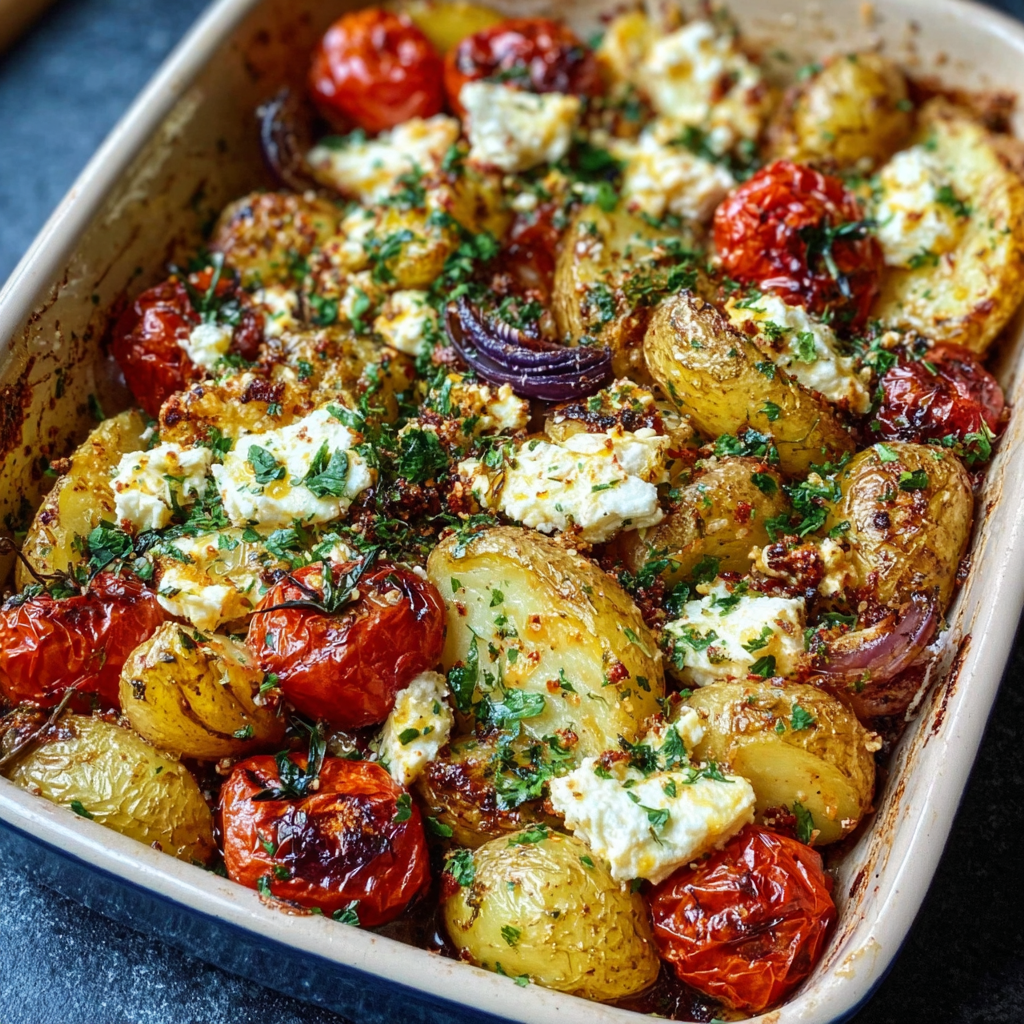
This is the side dish I make every time I cook grilled chicken, lemon-roasted fish, or anything Mediterranean. Greek lemon rice is fluffy basmati or jasmine rice infused with fresh lemon, garlic, dill, parsley, and a generous pour of olive oil. Bright, herbal, restaurant-style. 30 minutes start to finish, and it transforms a basic dinner into something that feels like you’re eating on a Greek island.
Fun fact: rice arrived in Greece during the Byzantine era from Persia, and Greek cooks immediately adapted it to their lemon-forward Mediterranean flavors. Today, lemon rice (rizopilafo me lemoni) is a staple side at almost every Greek family table — typically paired with roasted meat, fish, or yemista (stuffed vegetables). The key technique hasn’t changed in 800 years: toast the rice in olive oil, simmer in lemony broth, finish with fresh herbs.
Why this recipe works
- Rinse the rice. Removes excess starch — the difference between gummy and fluffy. Takes 60 seconds, makes a huge difference.
- Toast the rice in oil. Coating each grain with hot fat keeps them separate and adds nutty depth. Don’t skip.
- Lemon at the end, not the beginning. Heat dulls citrus brightness. Adding lemon juice and zest after the rice rests preserves the bright, fresh flavor.

Nutrition information
Per serving (1/6 of recipe, side portion):
- Calories: 240 kcal
- Protein: 4 g
- Carbohydrates: 38 g
- Fat: 9 g (heart-healthy from olive oil)
- Vitamin C: 18% DV (from lemon)
- Vitamin K: 25% DV (from dill and parsley)
Pro tips for restaurant-quality rice
- Use a heavy-bottomed pot. Thin pots get hot spots that burn the rice on the bottom. A Dutch oven or thick saucepan distributes heat evenly.
- Instant Pot version: Sauté aromatics + toast rice in the pot. Add 1.25 cups broth per cup of rice. Pressure cook 4 min, natural release 10. Finish with lemon and herbs.
- Make it a meal: Top with grilled chicken, shrimp, lamb skewers, or chickpeas. Or stuff into bell peppers and bake for a vegetarian main.
- Avgolemono finish: Whisk 1 egg with 2 tbsp lemon juice, slowly stream in some hot broth from the pot to temper, then stir back into the rice for the traditional Greek egg-lemon sauce version. Game-changing.
Frequently asked questions
What kind of rice is best?
Long-grain basmati or jasmine rice. Both produce separate, fluffy grains when cooked properly. Avoid short-grain (sushi rice) and arborio (risotto rice) — they’re starchy and sticky by design.
What if my rice came out too sticky?
Two main culprits: didn’t rinse the rice, or lifted the lid during simmering. Fluff with a fork while warm, leave uncovered for 5 minutes to release steam, and it’ll separate somewhat.
Can I make this ahead of time?
Yes — refrigerate up to 4 days. Reheat in the microwave with a splash of broth or water (covered) for 2 minutes. Squeeze fresh lemon over the top before serving to revive the brightness.
Can I freeze it?
Yes — freezes for 2 months. Cool completely, portion into freezer bags, and freeze flat. Reheat from frozen with a splash of broth.
Does this go well with what dishes?
Greek lemon rice is the perfect pairing for: grilled chicken souvlaki, lemon-roasted whole fish, lamb kebabs, gyros, dolmades, fish saganaki, anything Mediterranean. Also fantastic as a cold rice salad base — add cucumber, tomato, feta, olives.
How is this different from regular pilaf?
Standard pilaf is rice cooked in broth with aromatics. Greek lemon rice adds the bright lemon-and-herb finish at the end, which transforms it from a basic side to a star of the plate. The Greek twist is the post-cooking flavoring with citrus and fresh dill specifically.